
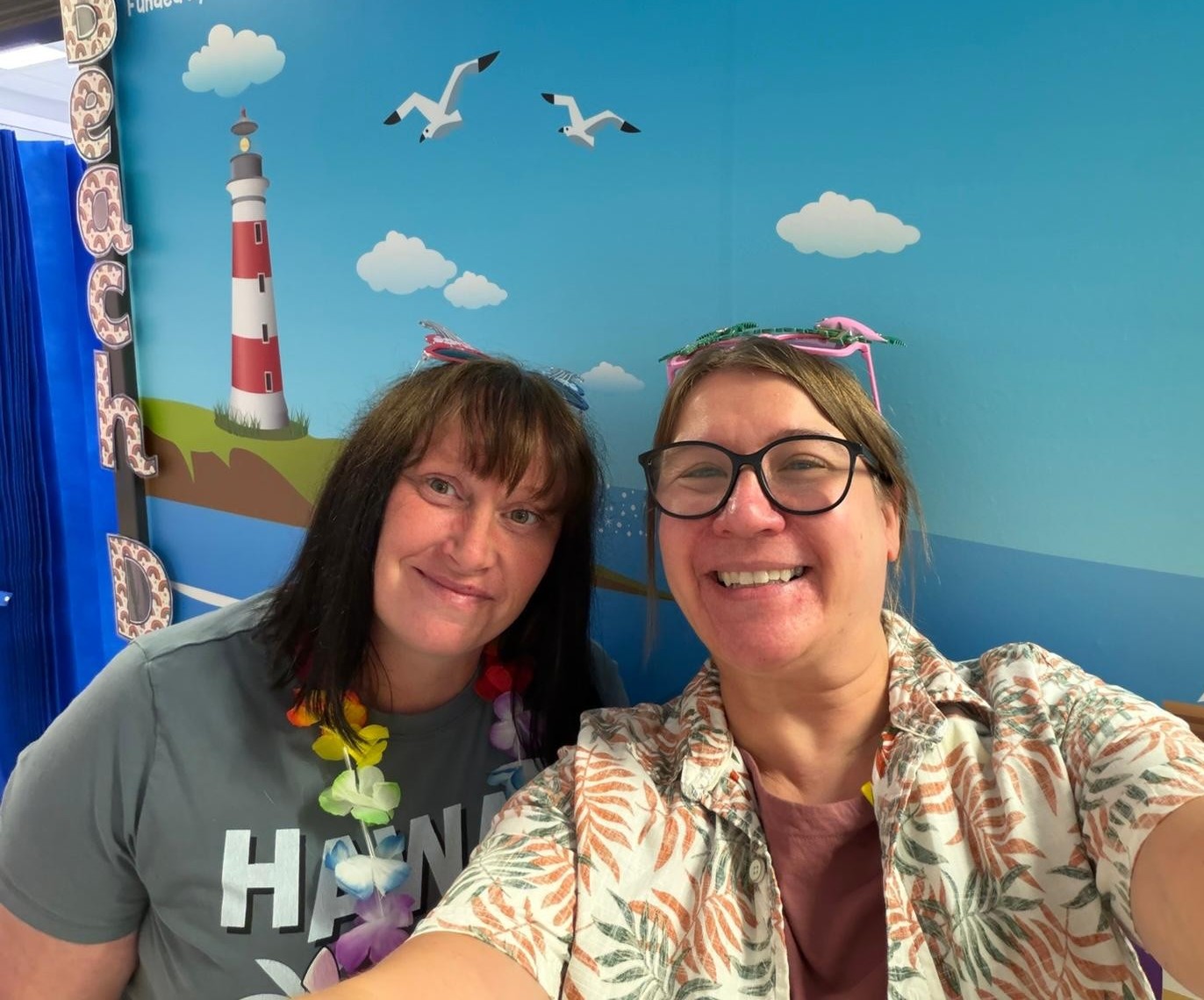
A team that has transformed how play is used to support young patients through treatment and recovery at Walsall Manor Hospital has won a national award, it has been announced today (Monday 5 October).
The Ward 21 Play Team has been named Health Play Team of the Year 2026 in the Starlight Health Play Awards, which celebrate outstanding individuals and teams using play to improve children’s experiences of healthcare.
Starlight, the UK’s leading charity for children’s play in healthcare, holds the awards to celebrate Play in Healthcare Week (5-9 October 2026) and to shine a spotlight on how play can reduce fear, pain and trauma during a child’s treatment and recovery from illness and celebrate those who are excelling in this field.
The team, which includes Health Play Specialist (HPS) Emma Lester and Play Facilitator Toni Harris, who is currently training to become a HPS, was praised by colleagues for embedding play as a core part of children’s care rather than simply an activity to pass the time.
They were nominated for the award by two Walsall Healthcare NHS Trust colleagues, Milena Sirakova Consultant Community Paediatrician and Garry Perry, Associate Director of Patient Voice, who said: “What sets this team apart is not only the range of activities they deliver, but the intent behind them. Every interaction is purposeful – aimed at improving physical health, emotional wellbeing and overall experience.”
After staff noticed that some children were spending long periods in bed, becoming disengaged and increasingly reliant on screens during their hospital stays, the team introduced a structured Eat, Drink, Move to Improve programme which includes creative and physical activities designed to encourage children to get out of bed, move, socialise and maintain some of the routines of everyday life while in hospital.
The programme has helped children become more active, reduced anxiety and isolation, and created opportunities for young patients and their families to form friendships during what can be a difficult and unsettling.
Toni said of the initiative: “It’s been therapeutic and beneficial for children’s development because it normalises the hospital environment. We’ve had siblings and parents joining in, with friendships forming not just between patients but between parents as well, so they feel less alone.”
The team also provides specialist support for children undergoing potentially frightening or uncomfortable examinations and procedures and colleagues highlighted their work supporting:
- highly anxious and neurodiverse children during general examinations,
- child protection medical examinations and
- blood tests, including children with needle phobias and developmental delays.
Emma said: “Hospitals can be such a scary place for children. We use play in all sorts of ways to help children get through frightening or uncomfortable procedures.
“It’s about understanding things from the child’s point of view. We try to give children a more positive experience, whether that’s offering them choices, using distraction or just taking the time to explain properly what is going to happen.”
In one case, the team supported an autistic child who had been unable to walk to Theatre for dental treatment because he was so anxious. Rather than simply trying again on another day, the team arranged for him to return beforehand and used his interest in Pokémon to talk him through the process step by step. Emma said: “When his next appointment came round, he sailed through it.”
For those struggling to take medicine through a syringe, they have shifted perspectives by using flavoured drinks to help familiarisation and desensitisation. During blood tests and cannulation, they use games and children’s interests as distraction to help reduce fear and anxiety.
The team’s approach has also influenced the wider hospital workforce, helping colleagues recognise that play can support treatment, recovery and children’s emotional wellbeing and they are now invited to induction sessions for new doctors to explain the role of health play professionals and how they can support children before, during and after medical procedures.
Emma said: “People can assume it’s ‘just play’, when in reality it includes preparation, distraction and post-procedural support tailored to each child’s needs. We’re starting to see doctors understand more about when and how to call on us for support, and we’d like that awareness to keep growing across the wider healthcare team.”
Once Toni qualifies as a Health Play Specialist, the pair also hope to offer a seven-day service and develop dedicated preparation sessions where children can visit ahead of surgery, blood tests and other procedures.
On winning the award Emma said: “It’s overwhelming, but amazing. It still feels a bit like imposter syndrome because it’s just our job, and you don’t always stop to notice you’re doing something well until someone else points it out.”
Lisa Carroll, Chief Nursing Officer at Walsall Healthcare NHS Trust said: “We are so proud of our Play Team here in Walsall and colleagues fully deserve this national award in recognition of their dedication and compassion towards our young patients and their families.
“They consistently go the extra mile to ensure children and young people have the best possible experience during their time with us and also work hard to develop new approaches and ideas. They are an asset to our Trust!”
Cathy Gilman, Starlight’s CEO, said: “The Ward 21 Play Team shows just how important play can be as part of children’s healthcare. Emma and Toni are not simply providing activities – they are using their skills and creativity to reduce anxiety, support procedures, encourage movement and recovery, and help children regain some of the normality that can be lost when they are in hospital.
“Their work is also helping change the culture around play, demonstrating to the wider healthcare team that it can make a meaningful difference to children’s care and experience. We are delighted to recognise their creativity, compassion and commitment by naming them Starlight’s Health Play Team of the Year 2026.”